HomeCabbagetown Festival 2013
The 2013 Cabbagetown Festival: Its Dates, Route and Vendors
Two days in September 2013, one closed street and a row of ten-by-ten booths from Wellesley down to Gerrard.
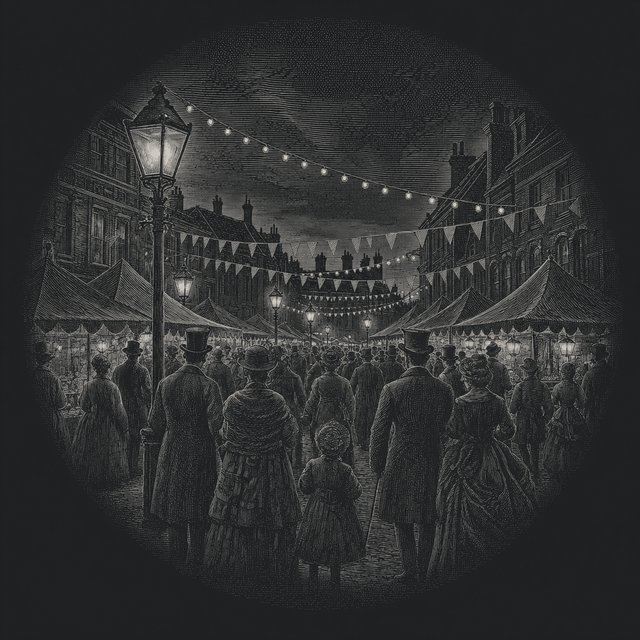
The 2013 Cabbagetown Festival took over Parliament Street on the weekend of 7 and 8 September, from 11 a.m. to 8:30 p.m. on both days. It was organized by the Cabbagetown Business Improvement Area and, like every edition before and since, it turned the neighbourhood’s main shopping street into a pedestrian market for two days, with the side streets and parks carrying the overflow.
The route
The festival ran along Parliament Street from Wellesley Street south to Gerrard Street, the stretch that holds most of Cabbagetown’s shops, cafés and pubs. With traffic stopped, the street became a single long aisle of booths, performers and food, and the houses on the side streets became the audience. Anyone coming to the neighbourhood that weekend for the first time would have met Cabbagetown at its busiest, which is a strange introduction to a place usually known for quiet, tree-lined streets.
How the stalls worked
The festival’s vendor rules for 2013 give a clear picture of what the street looked like. Three kinds of vendor were welcome: artists, non-profit groups and private vendors. The goods ranged from oil paintings and jewellery to handmade soap and one-of-a-kind clothing, and non-profit groups used the crowds to spread their message with brochures and conversation on the sidewalk.
Each vendor received a 10-by-10-foot booth along the route for both days and brought everything else: chairs, tables, tents and furnishings. Generators were restricted, a small rule that made a real difference to the noise on a crowded street. Food vendors were deliberately limited in number, and artists had to supply a photo or a link showing their work before being approved, a rule meant to keep the art on the street genuinely handmade. Spaces were allocated first come, first served once applications opened.
The organizer behind the 2013 festival
By 2013 the festival had been run by the Cabbagetown Business Improvement Area for three decades; the association was formed in 1982 largely to put it on. The vendor rules of that year show an organization with a clear idea of what it wanted the street to be: mostly makers and community groups, only a limited number of food stalls, and artwork that could be shown to be the vendor’s own. Applications went through the association’s office at 237 Carlton Street, on the corner of Parliament, and the forms were split into separate versions for artists, corporate vendors and not-for-profit groups.
What else was on
The 2013 festival sat inside a wider weekend. The Kidz Korner, a free play area for children at Parliament and Gerrard, had its first year in 2013 and was brought back the following September. The One Night in Cabbagetown dining evening, which let visitors sample several restaurants on one ticket, was in only its second year. The Cabbagetown Short Film & Video Festival, the charity run and the yard sales on the residential streets were all part of the tradition by then, as the 2014 program shows in more detail.
The yard sales deserve a word of their own, since for many visitors they were the real reason to come. They have a looser, homemade feel than the vendor booths: residents set out tables on their front walks, and the side streets off Parliament turned into a second, informal market. It is the part of the weekend that feels most like a neighbourhood rather than an event, and the heritage walk passes many of the same houses.
The festival today
The festival still keeps the early-September slot, and the core of the route has hardly moved. The Cabbagetown Festival guide describes how the weekend runs now, and the seasonal guide places it in the neighbourhood’s year, at the turn from summer to autumn, a few weeks before the colour arrives in the Don Valley.
Questions
When was the 2013 Cabbagetown Festival?
On Saturday 7 September and Sunday 8 September 2013, from 11 a.m. to 8:30 p.m. on both days. It was held on the same early-September weekend slot that the festival still uses, and the next edition followed on 6 and 7 September 2014.
Where did the 2013 festival take place?
On Parliament Street from Wellesley Street south to Gerrard Street, in Toronto's east end. The street was closed to traffic and lined with vendor booths for both days, with side events in the surrounding streets and parks.
Who could sell at the 2013 festival?
Artists, non-profit groups and private vendors. Stalls sold everything from paintings and jewellery to handmade soap and one-of-a-kind clothing, and non-profits used the crowds to hand out information. Food vendors were limited in number, and artists had to show examples of their work to be approved.
How did vendor booths work in 2013?
Each vendor was given a 10-by-10-foot space along the route for both days, bringing their own chairs, tables, tents and furnishings. Generators were restricted, and spaces were filled first come, first served once applications opened. The current rules are on the festival guide.